




What is the best way to cut irregular shapes in seat cushion foam filling?
 Aug 06, 2026|
Cutting irregular shapes in seat cushion foam filling is a task that requires precision, the right tools, and a good understanding of the foam material. As a seat cushion foam filling supplier, I've had extensive experience in dealing with various foam types and cutting methods. In this blog, I'll share some of the best ways to cut irregular shapes in seat cushion foam filling.
Understanding the Foam Material
Before we delve into the cutting methods, it's crucial to understand the different types of foam used in seat cushion filling. We offer a range of foam products, including Low-density Filling Foam, All Memory Foam Mattress, and Household Memory Foam. Each type of foam has its own characteristics, such as density, firmness, and elasticity, which can affect the cutting process.
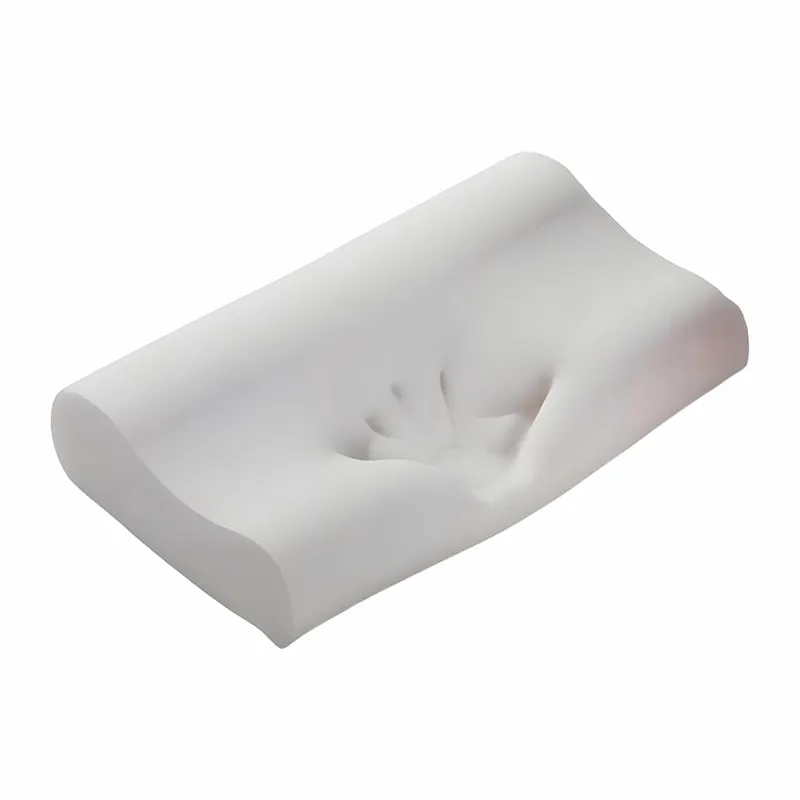
Low-density filling foam is lightweight and soft, making it ideal for cushions that require a plush feel. However, it can be more difficult to cut precisely due to its low density. Memory foam, on the other hand, is known for its ability to conform to the body's shape. It is denser and more stable than low-density foam, which makes it easier to cut.

Tools for Cutting Irregular Shapes
The choice of tools plays a significant role in cutting irregular shapes in seat cushion foam filling. Here are some of the most commonly used tools:
Utility Knife
A utility knife is a versatile tool that can be used for cutting foam. It is best suited for cutting straight lines and simple curves. When using a utility knife, make sure to use a sharp blade to ensure a clean cut. You can also use a ruler or a straight edge to guide the knife for more accurate cuts.
Electric Knife
An electric knife is a great option for cutting through thick foam. It provides a more consistent and precise cut compared to a utility knife. Electric knives come with different blade sizes and shapes, allowing you to cut a variety of irregular shapes. However, they can be more expensive and require more skill to operate.
Hot Wire Cutter
A hot wire cutter is a specialized tool that uses a heated wire to cut through foam. It is ideal for cutting complex irregular shapes, as the heated wire can easily melt through the foam, leaving a smooth and precise cut. Hot wire cutters are available in different sizes and shapes, and they can be adjusted to cut at different angles.
Cutting Techniques
Once you have chosen the right tool, it's time to start cutting. Here are some techniques that can help you cut irregular shapes in seat cushion foam filling:
Marking the Shape
Before you start cutting, it's important to mark the shape on the foam. You can use a pencil or a marker to draw the shape directly on the foam. Make sure to use a ruler or a template to ensure accuracy. If you are cutting a complex shape, you can use a piece of paper to trace the shape and then transfer it to the foam.
Cutting Slowly and Steadily
When cutting the foam, it's important to cut slowly and steadily. This will help you maintain control and ensure a clean cut. If you cut too quickly, the foam may tear or the cut may not be straight. Use a smooth and continuous motion when cutting, and apply even pressure on the tool.
Using Multiple Cuts
For complex irregular shapes, it may be necessary to make multiple cuts. Start by cutting the outer edges of the shape, and then gradually work your way in. This will help you avoid cutting too much foam at once and ensure a more precise cut. You can also use a combination of different tools to make the cuts, such as a utility knife for straight lines and a hot wire cutter for curves.
Sanding the Edges
After cutting the foam, the edges may be rough or uneven. To smooth the edges, you can use sandpaper or a sanding block. Start with a coarse sandpaper and gradually move to a finer sandpaper for a smoother finish. Sanding the edges will not only improve the appearance of the foam but also prevent it from fraying.
Safety Precautions
When cutting seat cushion foam filling, it's important to take some safety precautions to avoid injuries. Here are some safety tips to keep in mind:
Wear Protective Gear
Wear safety goggles to protect your eyes from foam particles. You can also wear gloves to protect your hands from cuts and abrasions.
Work in a Well-Ventilated Area
Foam cutting can produce dust and fumes, which can be harmful if inhaled. Make sure to work in a well-ventilated area or use a dust mask to protect your lungs.
Keep the Tools in Good Condition
Make sure to keep your tools in good condition by sharpening the blades regularly and cleaning them after use. Dull blades can make it more difficult to cut the foam and may increase the risk of injuries.
Conclusion
Cutting irregular shapes in seat cushion foam filling requires the right tools, techniques, and safety precautions. By understanding the foam material, choosing the right tools, and following the cutting techniques, you can achieve precise and clean cuts. Whether you are a professional upholsterer or a DIY enthusiast, these tips can help you create custom seat cushions that meet your specific needs.
If you are interested in purchasing seat cushion foam filling or have any questions about cutting irregular shapes, please feel free to contact us for a purchase consultation. We are always happy to help you find the right foam products for your project.
References
- "Foam Cutting Techniques," Upholstery Journal.
- "How to Cut Foam," DIY Network.
- "Safety Tips for Foam Cutting," Occupational Safety and Health Administration.