




What kind of glue is suitable for EVA foam sponge?
 Oct 16, 2026|
As a supplier of EVA Foam Sponge, I often receive inquiries from customers about the most suitable glue for bonding EVA foam sponge. In this blog, I will share some insights on this topic, exploring different types of glues and their suitability for EVA foam sponge applications.
Understanding EVA Foam Sponge
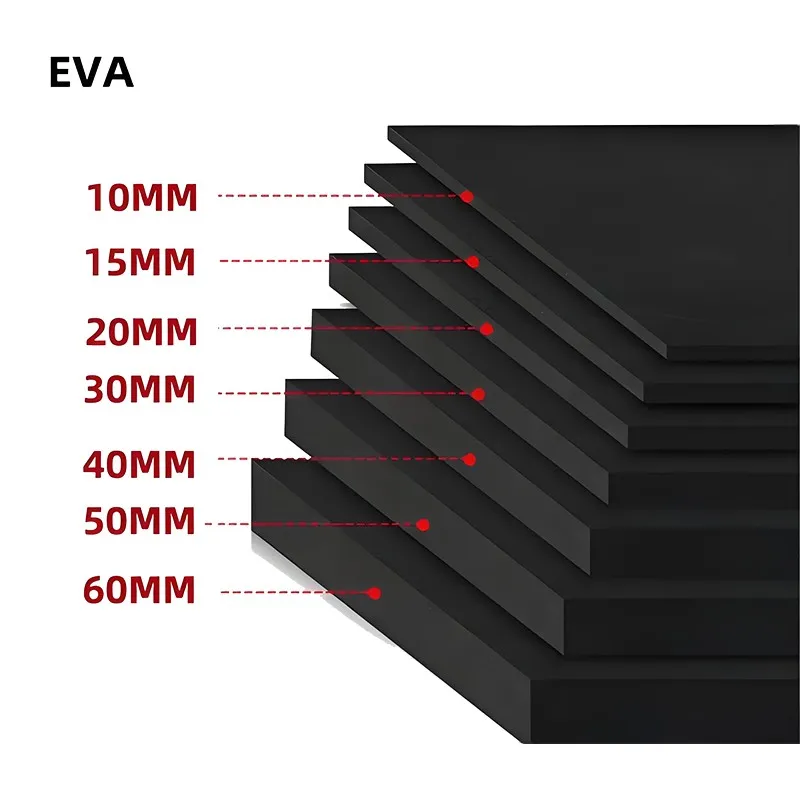
EVA (Ethylene-Vinyl Acetate) foam sponge is a popular material known for its flexibility, lightweight, and shock-absorbing properties. It is widely used in various industries, including packaging, sports equipment, footwear, and automotive interiors. EVA foam sponge comes in different densities, colors, and thicknesses, making it a versatile material for a wide range of applications.
Factors to Consider When Choosing Glue for EVA Foam Sponge
When selecting a glue for EVA foam sponge, several factors need to be considered:
- Adhesive Strength: The glue should provide strong and durable adhesion to ensure that the bonded parts stay together under normal use conditions.
- Flexibility: EVA foam sponge is a flexible material, so the glue should also be flexible to prevent cracking or peeling over time.
- Compatibility: The glue should be compatible with EVA foam sponge to avoid any chemical reactions that could damage the material.
- Drying Time: Depending on the application, the drying time of the glue may be an important factor. Some glues dry quickly, while others may require longer curing times.
- Environmental Resistance: If the bonded parts will be exposed to moisture, heat, or other environmental factors, the glue should have good resistance to these conditions.
Types of Glues Suitable for EVA Foam Sponge
Based on the above factors, the following types of glues are commonly used for bonding EVA foam sponge:
- Contact Cement: Contact cement is a popular choice for bonding EVA foam sponge. It provides a strong and immediate bond when the two surfaces are brought together. Contact cement is available in both solvent-based and water-based formulations. Solvent-based contact cement offers better adhesion but may emit strong fumes, while water-based contact cement is more environmentally friendly.
- Hot Melt Glue: Hot melt glue is another option for bonding EVA foam sponge. It is applied in a molten state and solidifies quickly as it cools. Hot melt glue provides a strong bond and is suitable for applications where a fast-drying glue is required. However, it may not be as flexible as other types of glues.
- Epoxy Resin: Epoxy resin is a two-part adhesive that provides a very strong and durable bond. It is suitable for applications where high strength and chemical resistance are required. Epoxy resin can be used to bond EVA foam sponge to a variety of materials, including metal, plastic, and wood.
- Silicone Adhesive: Silicone adhesive is a flexible and waterproof adhesive that is suitable for bonding EVA foam sponge in applications where moisture resistance is important. It provides a strong bond and can withstand a wide range of temperatures.
Application Tips for Bonding EVA Foam Sponge
To ensure a successful bond when using glue on EVA foam sponge, the following application tips should be followed:
- Clean the Surfaces: Before applying the glue, make sure the surfaces of the EVA foam sponge are clean and free of dust, dirt, and oil. This will help the glue adhere better to the surfaces.
- Apply the Glue Evenly: Use a brush, roller, or spray gun to apply the glue evenly to both surfaces. Make sure to cover the entire surface area that will be bonded.
- Allow the Glue to Dry: Depending on the type of glue used, allow the glue to dry for the recommended amount of time before bonding the two surfaces together. This will ensure that the glue has fully cured and provides a strong bond.
- Press the Surfaces Together: Once the glue is dry, press the two surfaces together firmly and hold them in place for a few minutes. This will help the glue bond the two surfaces together.
- Let the Bond Cure: After bonding the two surfaces together, let the bond cure for the recommended amount of time before using the bonded parts. This will ensure that the bond is fully cured and provides maximum strength.
Conclusion
Choosing the right glue for EVA foam sponge is essential to ensure a strong and durable bond. By considering the factors mentioned above and following the application tips, you can select the most suitable glue for your specific application. As a supplier of EVA Foam Sponge, we can provide you with high-quality EVA foam sponge and recommend the most suitable glue for your needs. If you have any questions or need further information, please feel free to contact us. We look forward to working with you and helping you find the best solutions for your EVA foam sponge applications.
Contact Us
If you are interested in purchasing EVA foam sponge or have any questions about the glues suitable for EVA foam sponge, please contact us. We are ready to assist you with your inquiries and provide you with the best products and services.

References
- "Adhesive Selection Guide for EVA Foam," Adhesive Manufacturer's Association.
- "EVA Foam Sponge: Properties and Applications," Journal of Materials Science.
- "Glue Application Techniques for EVA Foam Sponge," Industrial Adhesives Magazine.