




What is the tensile strength of industrial sponges?
 Jul 03, 2026|
 Hey there! As an industrial sponge supplier, I often get asked about the tensile strength of industrial sponges. So, I thought I'd take a moment to break it down for you.
First off, let's talk about what tensile strength actually means. Tensile strength is the maximum amount of stress a material can withstand while being stretched or pulled before it breaks. In the case of industrial sponges, it's a crucial factor because these sponges are often used in applications where they'll be subjected to some form of pulling or stretching force.
Now, different types of industrial sponges have different tensile strengths. For example, the Water Absorbent Industrial Sponge is designed to soak up large amounts of water. Its tensile strength needs to be sufficient to handle the weight of the absorbed water without tearing. These sponges are usually made from materials that can expand and contract while maintaining their structural integrity. They're commonly used in cleaning operations, especially in environments where there's a lot of water to be mopped up, like in factories or kitchens.
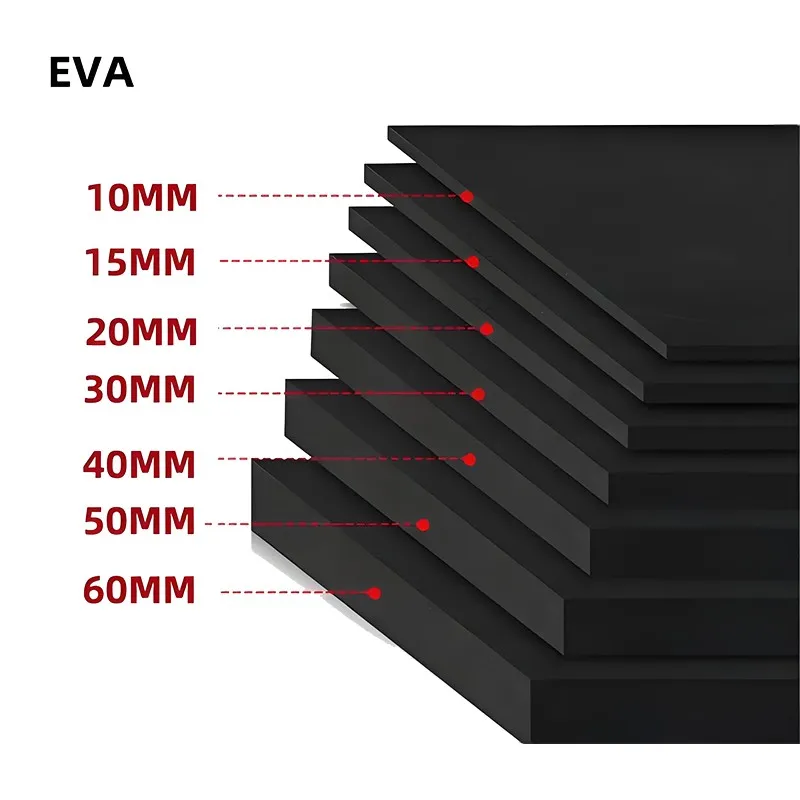
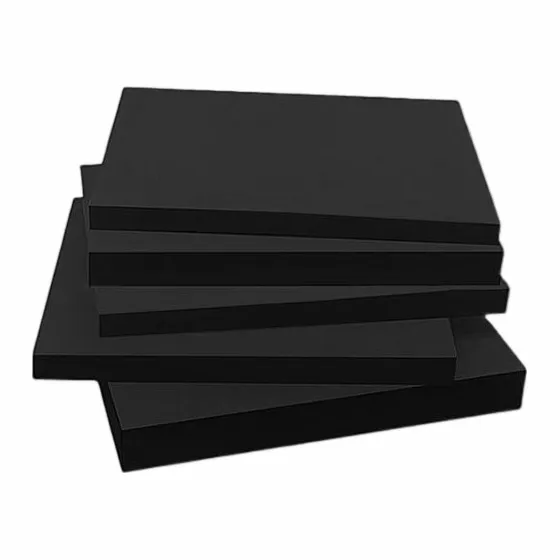
Another type is the EVA Foam Sponge. EVA (Ethylene-Vinyl Acetate) foam is known for its flexibility and resilience. This type of sponge has a relatively high tensile strength, which makes it suitable for applications where it needs to be bent, stretched, or compressed repeatedly. It's often used in packaging, as it can protect delicate items from impact. The EVA foam sponge can absorb shock and distribute the force evenly, thanks to its good tensile properties.
Then we have the Heat Insulation Sponge. This sponge is engineered to resist high temperatures and provide insulation. Its tensile strength is important because it needs to maintain its shape and structure even when exposed to heat. The materials used in these sponges are selected for their ability to withstand thermal stress and still hold up under tension. They're commonly used in industrial settings, such as in furnaces or around hot pipes.
The tensile strength of an industrial sponge depends on several factors. One of the main factors is the material it's made from. Sponges can be made from a variety of materials, including natural rubber, synthetic polymers, and foams. Each material has its own unique properties that affect the sponge's tensile strength. For example, natural rubber sponges tend to have good elasticity and tensile strength, but they may be more susceptible to degradation over time. Synthetic polymers, on the other hand, can be engineered to have specific properties, such as high tensile strength and resistance to chemicals.
The manufacturing process also plays a significant role in determining the tensile strength of an industrial sponge. The way the sponge is formed, the density of the material, and the presence of any additives can all impact its strength. For instance, a sponge that's made with a higher density of material will generally have a higher tensile strength than one with a lower density. Additives can also be used to enhance the sponge's properties, such as making it more resistant to abrasion or increasing its tensile strength.
Testing the tensile strength of industrial sponges is an important part of the quality control process. There are standard tests that can be used to measure the maximum force a sponge can withstand before breaking. These tests typically involve clamping the sponge at both ends and applying a gradually increasing force until the sponge fails. The results of these tests can help manufacturers ensure that their sponges meet the required standards for various applications.
When choosing an industrial sponge for a specific application, it's essential to consider the tensile strength. You need to make sure that the sponge can handle the forces it'll be subjected to in the intended use. For example, if you're using a sponge for a heavy-duty cleaning task where it'll be pulled and stretched a lot, you'll want a sponge with a high tensile strength. On the other hand, if you're using it for a more delicate application, like protecting a small electronic device, a sponge with a lower tensile strength may be sufficient.
As an industrial sponge supplier, I understand the importance of providing high-quality sponges with the right tensile strength for our customers' needs. We work closely with our customers to understand their requirements and recommend the most suitable sponges for their applications. Whether you need a water absorbent sponge, an EVA foam sponge, or a heat insulation sponge, we've got you covered.
If you're in the market for industrial sponges and want to learn more about their tensile strength or any other properties, don't hesitate to reach out. We're here to help you make the right choice for your business. Whether you're a small business owner or a large industrial company, we can provide you with the sponges you need at competitive prices.
So, if you're interested in purchasing industrial sponges, feel free to contact us for more information. We can discuss your specific requirements, provide samples, and give you a quote. Let's work together to find the perfect industrial sponges for your needs.
References:
- ASTM International. (2023). Standard Test Methods for Tensile Properties of Plastics.
- Engineering ToolBox. (2023). Tensile Strength of Materials.
- Manufacturer's specifications for industrial sponges.