




How thick should heat insulation sponge be for effective insulation?
 Aug 18, 2026|
Hey there! As a supplier of heat insulation sponge, I often get asked about the ideal thickness for effective insulation. It's a crucial question because getting the thickness right can make a huge difference in how well the sponge works to keep things at the right temperature.
Let's first understand what heat insulation sponge is all about. Heat insulation sponge is a material designed to reduce the transfer of heat. It's used in a wide range of applications, from industrial settings to home appliances. Whether you're trying to keep a cold storage unit cool or prevent heat from escaping a hot water tank, heat insulation sponge can do the job.

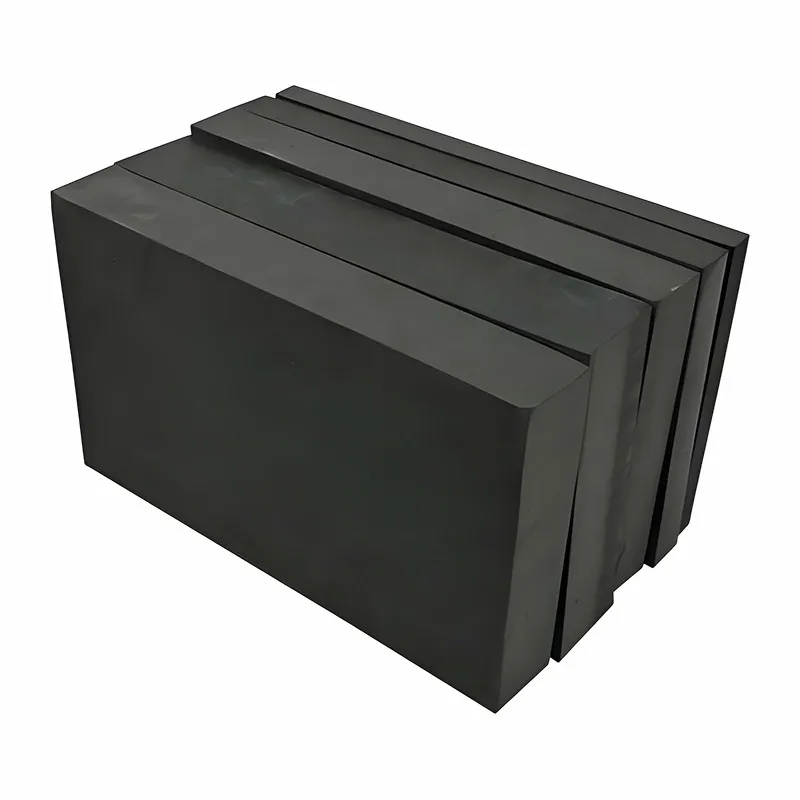
Now, onto the big question: how thick should it be? Well, the answer isn't as simple as giving a one - size - fits - all number. Several factors come into play when determining the right thickness.
Factors Affecting the Ideal Thickness
1. Temperature Difference
The greater the temperature difference between the two sides of the sponge, the thicker the insulation needs to be. For example, if you're using the sponge to insulate a freezer that maintains a temperature of - 20°C in a room that's 25°C, you'll need a thicker sponge compared to insulating a device where the temperature difference is only 10°C.
Let's say you have a small freezer in a commercial kitchen. The temperature inside the freezer is around - 18°C, and the kitchen temperature is about 22°C. A thin layer of heat insulation sponge won't be enough to prevent the cold air from escaping and the warm air from seeping in. In this case, you might need a sponge that's at least 2 - 3 inches thick to effectively maintain the low temperature.
2. Type of Application
The application also plays a big role. In industrial applications, where high - temperature equipment is involved, a thicker sponge is usually required. For instance, in a factory where large furnaces are used, the heat insulation sponge needs to be thick enough to protect workers and nearby equipment from the intense heat.
On the other hand, for home applications like insulating a small water heater, a thinner sponge might be sufficient. A water heater in a typical home might only need a sponge that's around 1 - 2 inches thick to reduce heat loss.
3. Material Quality
The quality of the heat insulation sponge matters too. High - quality sponges with better insulating properties can achieve the same level of insulation with a thinner layer compared to lower - quality ones.
For example, some advanced Fire Retardant Sponge materials have excellent insulating capabilities. They can provide effective insulation even when they're relatively thin. These sponges are often used in applications where space is limited, but high - performance insulation is still required.
General Guidelines for Thickness
Based on my experience as a supplier, here are some general guidelines for different applications:
Residential Use
- Refrigerators and Freezers: For standard household refrigerators and freezers, a heat insulation sponge thickness of 1.5 - 2 inches is usually sufficient. This helps to maintain the cold temperature inside and reduce energy consumption.
- Water Heaters: A 1 - 2 - inch thick sponge can be used to insulate water heaters. This can significantly reduce heat loss and save on energy costs.
Industrial Use
- Cold Storage Units: In large cold storage facilities, a sponge thickness of 3 - 4 inches or more may be required. These units need to maintain very low temperatures, and a thicker insulation layer helps to keep the cold air inside.
- High - Temperature Equipment: For industrial furnaces and ovens, the heat insulation sponge should be at least 4 - 6 inches thick. This protects the surrounding environment from the high temperatures and ensures the efficient operation of the equipment.
Other Types of Sponges and Their Applications
Apart from heat insulation sponge, we also offer other types of sponges that serve different purposes.
Soundproof Sponge Foam is great for reducing noise. It's commonly used in recording studios, home theaters, and industrial settings where noise reduction is important. The thickness of soundproof sponge foam depends on the level of noise you want to block. For light noise reduction, a 1 - 2 - inch thick sponge might be enough, but for more significant noise reduction, you might need a 3 - 4 - inch thick layer.
EVA Foam Sponge is another popular option. It's lightweight, flexible, and has good shock - absorbing properties. EVA foam sponge is often used in packaging, sports equipment, and footwear. The thickness of EVA foam sponge varies depending on the specific application. For packaging, a 0.5 - 1 - inch thick sponge might be used, while for sports equipment like knee pads, a 1 - 2 - inch thick layer could be more appropriate.
Why Choose Our Heat Insulation Sponge?
As a supplier, we take pride in offering high - quality heat insulation sponges. Our sponges are made from top - notch materials that provide excellent insulation performance. We have a wide range of thicknesses available to meet the diverse needs of our customers.
Whether you're a homeowner looking to insulate your appliances or an industrial client in need of heavy - duty insulation, we've got you covered. Our team of experts can help you choose the right thickness and type of sponge for your specific application.
Let's Connect!
If you're interested in purchasing heat insulation sponge or any of our other sponge products, we'd love to hear from you. We can provide you with detailed information about our products, offer customized solutions, and give you a competitive quote. Don't hesitate to reach out and start a conversation about your insulation needs.
References
- Engineering Principles of Thermodynamics and Heat Transfer.
- Handbook of Insulation Materials and Their Applications.